Columbia drivers tend to split their miles between interstates and tree-lined neighborhood roads. That mix makes windshields work hard. Highway debris finds glass at 70 miles per hour, while sudden summer downpours test wipers and visibility. When a windshield chips or cracks here, the fix is not cosmetic. Your windshield is a structural component, and replacing it is a safety event, not a simple swap of glass. The difference between a hurried job and a meticulous one shows up during a swerve on I‑26, a deer strike on Highway 378, or an August downburst when wipers need a perfectly smooth sweep.
If you are weighing auto glass repair Columbia options, or considering windshield replacement Columbia for a damaged front lite, here is what matters, what is regulated, and how to recognize work that meets a high standard.
How a windshield protects you, in three critical ways
Automotive engineers rely on laminated glass to do more than keep bugs and rain out. The windshield ties the front of the cabin together, resists ejection in a crash, and serves as a calibrated surface for cameras and sensors. When I stand over a late-model SUV with the cowl cover off, I see the way urethane adhesive beds the glass into the pinch weld. It is more like installing a structural panel than hanging a window.
First, the roof. In a rollover, the windshield and its bonding add measurable stiffness to the front third of the greenhouse. Numbers vary by model, but automakers target roughly 20 to 30 percent of front-structure rigidity from the windshield bond. If the adhesive bead is too thin or contaminated, the glass can delaminate under load. Second, airbags. The passenger airbag often uses the windshield as a backboard to deploy properly. A weak bond lets the bag push the glass outward instead of forming a cushion. Third, driver assistance. Cameras behind the glass read lane lines, distance, and road edges. A few millimeters of misalignment can shift a lane departure warning by a foot or more at 100 yards.
This is why every stage of windshield replacement has a safety standard behind it. It is not about overkill. It is about returning the vehicle to the condition the crash tests assumed.
The standards that set the bar
Technicians who take pride in their craft can recite these by heart, and good shops keep them on their walls. You do not need to memorize acronyms, but it helps to know what your installer means when they reference them.
The Federal Motor Vehicle Safety Standards establish baseline requirements for glass and glazing materials. FMVSS 205 regulates glass type and optical quality. Laminated glass must meet impact, penetration, and light transmittance criteria, and replacement glass must match the original specifications. FMVSS 212 covers windshield mounting and retention. It tests whether the windshield stays in place during a frontal crash with airbags deploying. FMVSS 208 and 214 intersect here, because airbag timing and side impact protection assume the glass behaves as designed.
Industry bodies add the practical rules that turn lab standards into shop procedures. The Auto Glass Replacement Safety Standard, AGRSS, formalized under ANSI/AGSC/AGRSS, spells out how to inspect, remove, prepare, and install. It covers everything from corrosion repair on pinch welds to the safe drive-away time based on adhesive cure rates. The I‑CAR curriculum reinforces OEM repair procedures, especially for late-model vehicles with advanced driver assistance systems.
When you hear a shop say they follow AGRSS, they are telling you they do not improvise with shortcuts. They use OEM procedures, verified adhesives, and calibration steps tied to specific vehicles. In a market with dozens of listings for auto glass repair Columbia, that language separates careful from careless.
Adhesives, cure windows, and South Carolina humidity
The glue behind the glass is urethane, not silicone. It cures with moisture and forms a high-strength bond that behaves predictably in a crash. Two details matter on a muggy summer afternoon here: open time and safe drive-away time. Open time is how long the bead stays workable after it leaves the nozzle. Safe drive-away time is when the adhesive has built enough strength for the car to be driven without risking windshield movement under airbag load.
Hot, humid weather shortens open time and can speed initial cure, but only up to a point. A tube that sat in a hot van all morning may skin over before it bonds. The right shop checks temperature and humidity, uses the adhesive manufacturer’s charts, and conditions the urethane in a controlled box instead of a dashboard. When you ask about safe drive-away time, the answer should include a number and a reason, such as 60 to 90 minutes for this high-modulus urethane at 85 degrees and 70 percent humidity. Vague answers are a signal to look elsewhere.
If you are comparing same day auto glass Columbia services, confirm that same day refers to both installation and a verified safe drive-away time. Speed is welcome, provided it does not cut into cure time or calibration.
OEM glass, aftermarket glass, and how to choose
Columbia’s mix of vehicles ranges from fleet sedans to luxury crossovers and performance coupes. Glass choices vary just as widely. There are three broad categories.
OEM glass, the panel with the automaker’s branding and exact original equipment part number, guarantees matching curvature, frit design, acoustic interlayers, and mounting points for sensors. It costs more and sometimes must be ordered, especially for heated windshields or noise-reducing acoustic laminates.
Aftermarket glass from reputable manufacturers meets FMVSS requirements and often mirrors OEM shape and strength. On vehicles without complex camera brackets or HUD projections, it can be a smart value. The risk lies in optical distortion near the edges or slight differences in frit patterns that affect sensor mounting. A careful installer inspects for distortion using a grid board before final set.
Dealer-direct or OEM-equivalent glass sits between these, built by the same suppliers that make the automaker’s glass but without the logo. It often matches performance and mounting points closely.
Here is my rule of thumb from the bay: if your vehicle has a head-up display, acoustic glass, rain sensors, heated wiper park, or a complex camera suite, lean toward OEM or OEM-equivalent. For a work truck with basic features, high-grade aftermarket glass from a known brand is often fine. The best auto glass shop in Columbia will explain the trade-offs clearly and show you the brand and part codes before opening the box.
The ADAS challenge: why calibration is not optional
Walk into any modern windshield replacement and you will see a calibration screen before you see a glass rack. Cameras and radar units need re-teaching after glass replacement because the optical path changes slightly. Windshield calibration Columbia services fall into two types: static and dynamic.
Static calibration uses a target board or digital pattern set up at a specific distance and height from the vehicle. It happens in a controlled bay with level floors and measured lighting. Dynamic calibration sends a technician on a road route at defined speeds, often matching lane line quality and traffic conditions specified by the OEM. Many vehicles require both.
Skipping calibration or guessing your way through it leads to subtle but dangerous errors. Lane centering may drift. Automatic braking may trigger late. A camera that reads a fraction of a degree high might miss a pedestrian at night. When you ask a shop about calibration, you should hear the method they will use for your make and model, whether they have the targets in-house, and how they document success. Good shops provide a calibration report that shows the pre-cal data, the post-cal confirmation, and any fault codes resolved.
If you are drawn to mobile auto glass repair Columbia for convenience, verify how the provider handles calibration. Some vans carry digital targets and can perform static calibration on-site if they can level the vehicle and control the environment. Others handle dynamic only and will schedule a shop visit for static steps. The mobile approach works well when the provider invests in the right equipment and follows OEM procedures. The test is simple: ask to see a sample calibration report.
The install that earns your trust, step by step
You cannot hover over every step, nor should you need to. Still, a well-run installation has a rhythm you can sense from the waiting area. Here is the sequence as it should unfold, without skipping the unglamorous parts.
A technician inspects the exterior and interior, notes existing scratches, confirms sensors and VIN, and powers down systems if the OEM procedure calls for it. Wipers and trims come off, cowls are loosened without cracking, and the glass is cut free with a wire tool or oscillating blade that protects the pinch weld. Any corrosion is cleaned to bare metal, then primed with OEM-approved primers. Urethane does not like contaminants. This is where rushed jobs fail later.
The technician test fits the new glass, then lifts it back out, lays a uniform urethane bead with the proper V‑nozzle angle, and sets the glass with suction cups or a robot assist, aligning the top reveals and sensor mounts. The bead height must match OEM specs so the glass sits at the correct elevation; a low bead leaves a gap, a high bead squishes out, both invite leaks or camera misalignment.
Sensors and brackets are reattached with the correct adhesives, not universal glues that can outgas onto camera lenses. The vehicle sits undisturbed through its safe drive-away time. At that point, the calibration steps begin, static or dynamic as required, and the technician scans the vehicle with a factory scan tool or a high-grade J2534 device to clear codes and validate function.
If a shop handles car window replacement Columbia, rear windshield replacement Columbia, and quarter glass repair with the same care, you will notice consistency. Side glass uses tempered panels and different mounting systems, but the inspection and preparation discipline carries over.
Insurance, claims, and choosing who touches your car
South Carolina allows you to choose the shop that repairs your vehicle, even when your insurer suggests a network provider. Insurance auto glass repair Columbia programs add convenience, but they should not force a compromise on parts or procedures. Two points smooth the process.
First, glass coverage. Many policies here include zero-deductible glass repair, especially for windshield chip repair Columbia. That encourages fixing a chip before it grows into a crack. If your policy includes replacement, confirm whether it covers OEM glass when required by ADAS or HUD equipment. Second, billing. Reputable shops handle direct billing and keep you informed about what the insurer approved. If a shop says the insurer will not pay for calibration, ask for the adjuster’s written position and bring your owner’s manual procedure to the discussion. Most carriers recognize calibration as non-negotiable on late-model vehicles.
You are not required to accept the lowest-cost glass. You are allowed to insist on parts and procedures that keep the vehicle safe and within its original performance envelope. The insurance process should support that, not undercut it.
Mobile service, done properly
The appeal of a technician arriving curbside is obvious. I like mobile service for chips and for replacements on vehicles with straightforward calibrations. It respects your time, and Columbia’s spread makes a shop visit inconvenient for many.
Mobile service works when the provider controls the environment. That means a level surface, a dry space, temperature within the adhesive’s recommended range, and clean conditions. The technician should bring a clean sheet to protect the dash and seats, keep trim clips organized, and handle calibration honestly. If static calibration cannot be done on-site, you should be scheduled for a shop visit the same day or next morning. If rain threatens, the appointment should be rescheduled or moved to a covered space. Urethane does not forgive shortcuts.
When you evaluate mobile auto glass repair Columbia offerings, listen for specificity. Vague promises of quick installs without mention of cure times, primers, or calibration tend to end with wind noise or warning lights. A careful mobile technician leaves you with paperwork showing adhesive batch numbers, torque specs for wipers, and a calibration report if applicable.
Chip repair versus replacement, and the window you have to decide
A clean chip repair takes 30 to 45 minutes and saves your original factory seal. The resin arrests cracks and restores clarity in the impact point. It is always worth attempting when the damage is smaller than a quarter, sits outside the driver’s primary field of view, and carries no radiating cracks longer than the technician’s guideline, often around 6 inches for a single line.
In Columbia’s heat, a morning chip can turn into an afternoon crack as the glass expands in the sun. Parking in shade buys time, but you should schedule windshield chip repair Columbia quickly, ideally within a day or two. Insurance often covers chip repair at no cost, which removes one barrier to acting early.
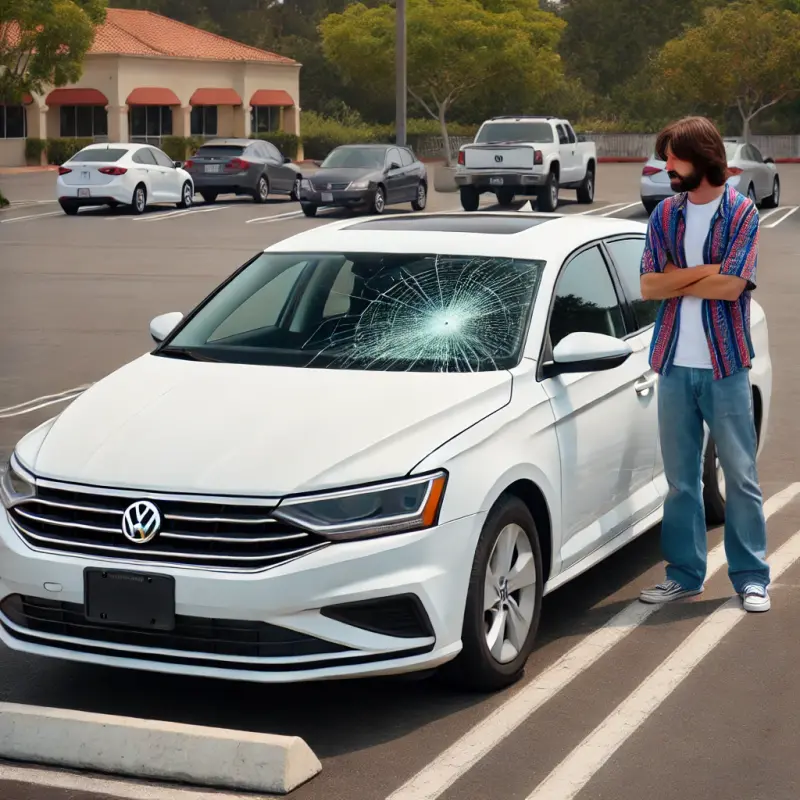
Replacement becomes the right call when a crack crosses the driver’s sight cone, when multiple impacts exist, when the damage reaches the edge of the glass, or when ADAS camera areas are compromised. Replacing early avoids a failure under stress and prevents water intrusion that leads to corrosion in the pinch weld.
What a high-end shop looks and feels like
The best auto glass shop in Columbia does not announce itself with slogans. It earns the label by the way it handles cars and people. You feel it when you walk in and see calibration targets neatly stored, priming stations organized, and urethane tubes logged by lot number and expiration. You hear it in the way a service advisor explains options without pushing the cheapest path.
There is a quality to the finishing details. Wiper arms are torqued to spec, not tightened until they squeak. Cowl clips are replaced instead of reused when they show stress whitening. The glass surface is cleaned with lint-free wipes, not shop rags. The tech runs a leak test with a low-pressure water flow after cure, then checks for wind noise on a short road test. If anything is off, they fix it before handing the keys back. Luxury is not gold leaf. It is confidence, built from a dozen quiet decisions done correctly.
Common pitfalls that sabotage a replacement
Even in a mature market, I see preventable mistakes. They tend to cluster around preparation, parts handling, and calibration.
A technician who rushes pinch weld prep leaves rust under primer. Months later, a line of bubbles appears under the paint near the A‑pillar. Water finds its path. Another skips bed height checks, sets the glass low, and creates a slight step at the roof molding. It looks minor until wind buffets the edge above 60 miles per hour and a whistle develops. Worse, a camera bracket is glued with a generic adhesive that fogs the lens. The camera fails calibration, the shop blames the car, and the owner drives away with warnings disabled.
Ask a shop how they prevent these outcomes. A confident answer includes brand names for adhesives and primers, mentions of lot tracking and expiration, and clear steps for bracket bonding. It should include how they handle post-calibration road tests and how they document any remaining codes or sensor concerns.
Taking care of the new glass
Once the job is done, your part is simple and surprisingly important. Avoid car washes and power washers for 24 to 48 hours. Keep the windows cracked slightly to ease cabin pressure changes. Do not peel off the tape early; it helps hold trims while the urethane finishes its initial cure. Avoid slamming doors. If you see any water intrusion around the edges after the first rain, call the shop immediately. Small early corrections prevent larger problems.
Wipers matter more than you think. Old blades can chatter and abrade a fresh windshield. Install new blades after a replacement and keep the glass coated with a quality cleaner. That attention buys you clearer nights on the Lexington side of the lake when glare off wet pavement can strain your eyes.
When your schedule is tight
Life does not pause for glass. If you need same day auto glass Columbia service, the schedule can work without cutting corners. The key is sequencing. The shop orders the correct glass early, confirms sensor layout with the VIN, schedules your arrival to match adhesive open time, and sets aside a bay for calibration. You are out in two to three hours for many vehicles, auto glass repair columbia slightly longer for models with complex sensor suites.
If your week is packed, ask for a loaner or rideshare credit. The top shops offer both. That is how luxury feels in practice. It is not a lounge with Instagrammable plants, it is a plan that respects your calendar without cutting the work.
A short checklist before you book
- Ask whether the shop follows ANSI/AGSC/AGRSS and OEM procedures for your model, and request safe drive-away time in writing based on the adhesive used. Confirm how windshield calibration Columbia will be performed for your vehicle, and ask to receive a calibration report after the job. Decide on OEM, OEM-equivalent, or high-grade aftermarket glass based on your vehicle’s tech features, then verify the exact brand and part number. If choosing mobile auto glass repair Columbia, verify environmental controls and calibration capabilities, plus contingency plans for weather. For insurance auto glass repair Columbia, confirm coverage for calibration and, if applicable, OEM glass. Choose the shop, not just the network.
Rear glass and side glass deserve respect too
Rear windows use tempered glass, which shatters into small pieces when it fails. A break leaves a mess of pellets in the cargo area and a path for water. Rear windshield replacement Columbia involves defroster grids, antennas, and sometimes roof spoiler removal. The installer needs to save connectors and test the grid before you drive away. On some SUVs, the rear camera wash nozzle runs through the spoiler; a rushed job leaves it weeping on the new glass.
Side glass replacements vary from frameless coupe windows that demand careful regulator adjustment to SUV fixed glass that requires precise urethane work. A side glass that sits a millimeter proud creates wind rumble. A side glass that rides too low lets rain sneak past seals. A patient technician cycles the window up and down repeatedly, adjusting the fore‑aft angle and sweep to meet the body, not forcing the body to meet the glass.
What matters most when you choose
You will see plenty of ads for windshield replacement Columbia, and many will sound the same. Ignore the slogans and listen to the details. The shop you want explains standards without jargon, invites questions, and treats calibration as part of the job, not an upsell. They respect adhesives and cure times as the safety items they are. They show you the glass before it goes in. They are happy to handle your insurer but never let a claim guideline override a safety requirement.
People trust them with vehicles that matter, from a daily commuter to a cherished grand tourer. They finish the car and hand it back quietly, confident that it will drive true, that the cameras will see what they should, and that the glass will stay put if the day ever goes wrong.
Columbia deserves that level of care. On the road, the windshield in front of you is not just a view, it is part of the structure that keeps you safe. Choose a team that treats it accordingly, and hold them to the standards that make the difference.